Introduction:
Juggling a work-life balance is more challenging than ever before, due to the wonders of modern technology we are always on-call, whether it be work, family or other commitments. Adding a cluttered home and/or work environment into the mix can affect your productivity and well-being. In order for us to make the best use of our precious time we need to create functional and stress-free spaces and this blog will guide you through practical steps to declutter your home, enhance efficiency, and create a harmonious living space.
Create an Office Space
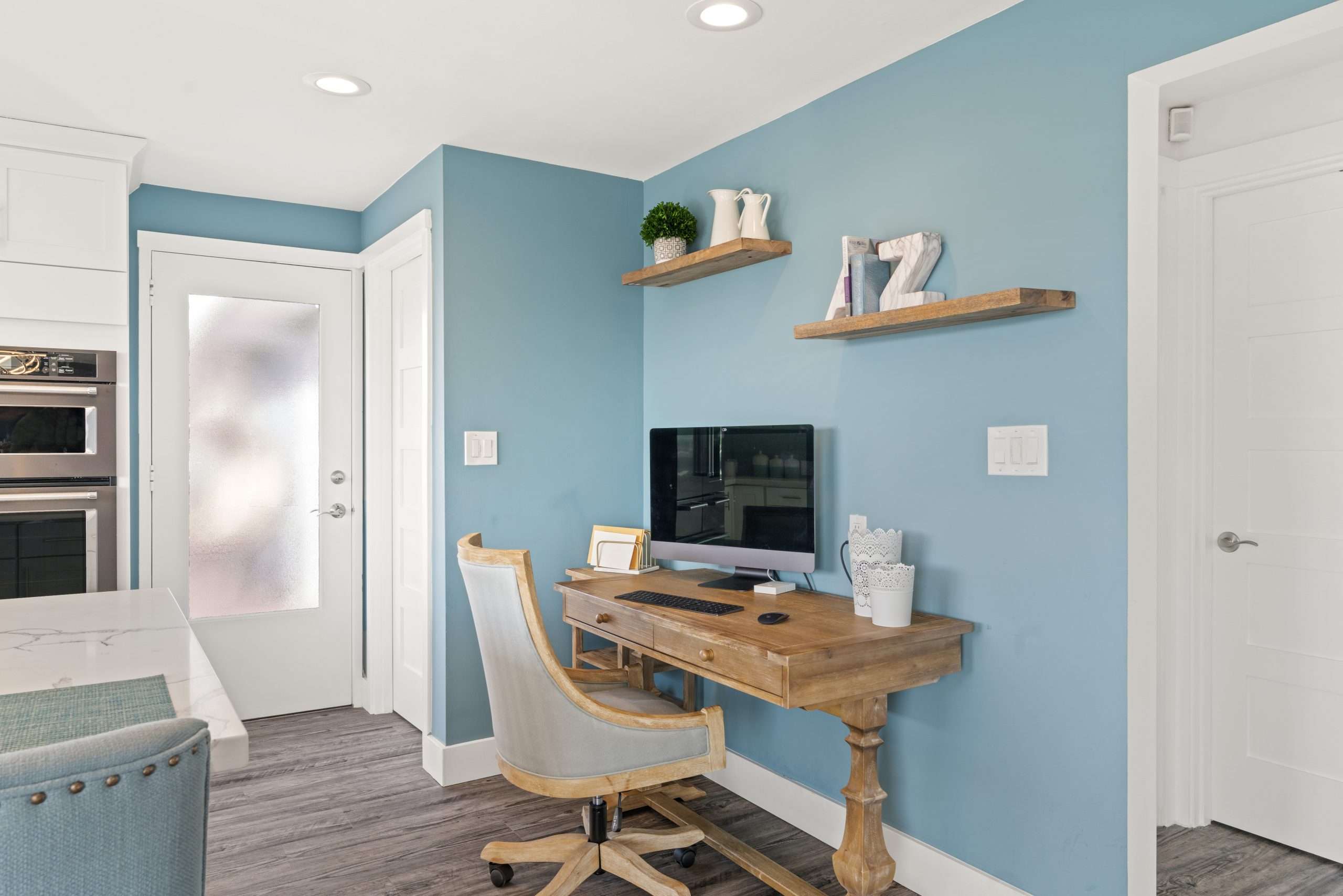
Having a designated area where work can be done is crucial, be it paid, voluntary or home admin. An office space is where you have all the items you need to work and do paperwork tasks. Here are some tips to create an ideal work space:
- Designate a Specific Area: If you don’t have the luxury of having a spare room for an office, then choose a quiet corner of your home where interruptions are minimal. If your dining room or living room doubles as a workspace, ensure it is well-defined and separate from other activities.
- Carefully choose storage solutions: Before investing in storage think about what will work best for you. Especially if the available space is restricted, use the vertical space by using shelves or wall cabinets, use folders to keep documents in and drawers or cupboards for office supplies.
- Personal touches: Add a few personal touches like a plant or framed picture, keeping them to a minimum but making it a place you’d like to work in.
Organising Multi-Functional Spaces
Many homes have spaces that serve multiple purposes, such as the dining room doubling as an office or study area. Here’s how to maximise efficiency in these multi-functional spaces:
- Clear the clutter: Remove anything that you don’t need or love from all surfaces. Only have what you need for the current activity within arms reach.
- Use multi-functional furniture: Use furniture that doubles as storage, such as a dining table with drawers or a sideboard for office supplies.
- Create Zones: Designate specific areas for different activities. Use decorative boxes or baskets to store items when not in use, making it easy to switch between roles. If you have children who like to do crafts on the kitchen table you could invest in a trolley in which to store the craft items, which can be wheeled into the corner when not in use.
Tidying the Entranceway for Better Impressions (and quicker getaways!)
Where is the one place all visitors see and the place you often need to grab and go = the entrance way. This is the area that can set the tone for the entire home. Here’s how to tackle this area:
- Shoe Storage Solutions: Have some sort of storage for shoes, if you have wall space a tall wall mounted shoe cupboard takes up little space and stores a way shoes. Or you could use shelves under a storage bench.
- Hooks and Shelves: Install hooks for coats and bags and a shelf for keys and smaller items. Don’t forget to install lower down hooks in for younger children so they can reach and put their belongings away too. This helps keep the area neat and functional.
- Daily Maintenance: Encourage family members to put away their belongings as soon as they come in.
Finding an accountability partner
Accountability is key to maintaining a clutter-free home. This could be as formal or informal as you like. Here’s how to find and utilise an accountability partner.
- Choose a Reliable Partner: This could be a friend, family member, or professional organiser who understands your goals and can offer consistent support.
- Set Regular Check-Ins: This could be as relaxed as having a friend or relative round for coffee once or twice a week, if that’s all it takes for you to keep the clutter at bay. Or you can make it more ‘official’ with regular meetings or check-ins scheduled to discuss progress and challenges. This will help keep you motivated and on track.
- Celebrate Milestones: Acknowledge and celebrate small victories to maintain motivation and momentum. Not had a child’s shoe go missing all week, so not late to work and school, celebrate that!
Being Productive and not wasting time
Inefficiencies and time wastage are common pain points. Here’s how to tackle them:
- Time Management techniques: Use techniques such as the Pomodoro Technique or time-blocking to structure your day and maintain focus.
- Organise by Priority: Choose your priorities for the day and declutter high-traffic areas first. This can significantly reduce stress and increase productivity.
- Daily Routines: Establish daily routines for tidying and organising. Small consistent efforts can prevent clutter from accumulating and maintain order in your home.
Conclusion