When Inherited Items Become Clutter: What to Keep, What to Let Go
Inherited items—things you didn’t choose to buy—can become a major source of clutter. But first, let’s define what clutter actually is.
To me, clutter is anything you don’t need, want, or love. And while we often think of clutter as physical, it can also be digital or even mental. The truth is, physical clutter often contributes directly to mental overload.
It’s easy to find yourself surrounded by items you didn’t choose—family heirlooms, unwanted gifts, or belongings passed on after someone’s death. These things can carry emotional weight and a sense of duty that makes them hard to part with.
A Real Example: The WWII Letters
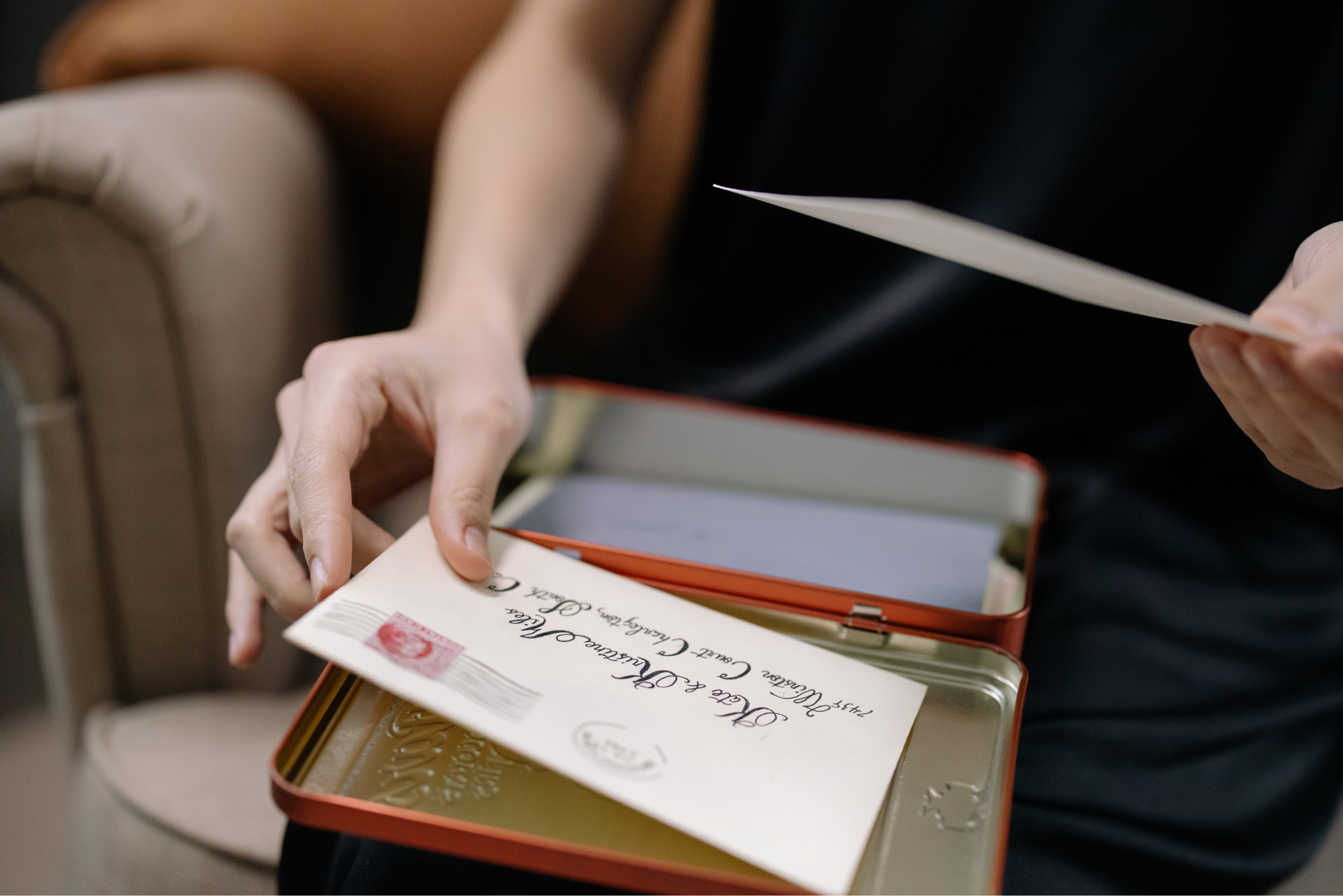
A client of mine recently showed me a bag of over 100 handwritten letters exchanged between relatives during the Second World War. Beautifully written, but faded, some partially eaten by silverfish. He felt torn—these letters held family history, but were time-consuming to read, hard to store, and not truly his memories.
We talked about digitising them, but the question became: What purpose would that serve? Ultimately, I suggested that perhaps these letters had already fulfilled their purpose—keeping loved ones connected during a time of separation. Would the original writers really want him to spend hours today trying to preserve something not intended for him?
I didn’t pressure him to discard them—decluttering should never come with regret—but I hope the conversation helped him reach peace with whatever decision he made.
Why It’s So Hard to Let Go
Often, the guilt of letting go is what makes it so difficult. But here’s the truth:
Keeping something out of obligation doesn’t honour the person—it burdens you.
Here are some common situations:
- A gift you didn’t like, but felt bad returning.
- A collection your relative treasured, but you don’t connect with.
- Items you inherited after the loss of multiple loved ones in a short time—suddenly your home becomes filled with other people’s belongings.
A Story of Compromise
One client’s husband inherited many belongings from his mother, including several pieces of art. His wife told me, “Our home no longer feels like ours.” The solution? Together, they reviewed each item. Some were donated, and the husband kept a few meaningful pieces—displayed in his office. A simple compromise that respected both their needs.
Tips for Letting Go of Inherited or Unwanted Items
- Unwanted gifts? Consider returning them to the giver, regifting, donating, or selling them.
- Inherited items? Let family members know you plan to let them go. If someone else values them, they can take responsibility.
- What if they ask about it? A gentle white lie (“It broke”) can work if you’re not comfortable being direct.
- Ask yourself: Would your loved one want you burdened by their things—or happily living your life?
How to Know When to Let Go
If an item doesn’t spark a memory, fit your space, or align with your current lifestyle, it may be time to release it. You can always take a photo before letting it go. The memory is in your heart—not the item.
Conclusion: The Past Doesn’t Belong in Your Future
Letting go of inherited items can feel like a moral tug-of-war. But the truth is, your home should reflect you—your life, your values, and your peace of mind. Releasing items you didn’t choose doesn’t erase the past—it honours your present.
And if the process feels overwhelming, remember you don’t have to tackle it alone. I offer both in-person and virtual support, helping you make thoughtful decisions about what stays—and what no longer serves you.
Because you deserve a space that supports your life now, not someone else’s from the past.